
Simplified Guide to ISO 27001 Certification Steps Explained
ISO 27001 Certification Steps Simplified: How to Get Certified and Implement the Process
Over 50,000 organizations worldwide rely on ISO 27001 to secure information assets, but many struggle to navigate ISO 27001 certification steps. This guide clarifies every phase—from preparing your Information Security Management System (ISMS) to passing certification audits and maintaining compliance. Readers will learn how to assess risks, implement Annex A controls, undergo internal and external audits, and sustain certification through surveillance audits. The structured overview maps out preparation, implementation, audit, maintenance, and assessment of benefits and costs.
ISO 27001 Certification: A Global Standard
ISO 27001 is a globally recognized standard that helps organizations manage and protect their information assets. It provides a framework for establishing, implementing, maintaining, and continually improving an Information Security Management System (ISMS). This standard is used by over 50,000 organizations worldwide to secure their information.
What Are the Key Preparation Steps for ISO 27001 Certification?
Preparation for ISO 27001 certification involves establishing a systematic approach to information security, aligning organizational objectives with ISO 27001 requirements, and laying the groundwork for an effective ISMS implementation. By defining scope, assessing risks, and creating mandatory documentation, teams ensure a smooth transition into implementation.
How Do You Understand ISO 27001 Requirements and Clauses?
Understanding ISO 27001 requirements means analyzing clauses 4 through 10, which cover context, leadership, planning, support, operation, performance evaluation, and improvement. Mapping each clause to organizational policies and controls ensures clarity and alignment for certification. For example, clause 6 on planning mandates a documented risk assessment and treatment plan that informs control selection and objectives.
How Is the ISMS Scope Defined for Certification?
Defining ISMS scope requires identifying information assets, relevant business processes, and stakeholder requirements to set clear boundaries for certification. Key steps include stakeholder interviews, asset inventories, and context analysis to determine what falls under ISMS control. A well-defined scope ensures audits target all critical areas without unnecessary expansion.
What Is the Process for Conducting a Risk Assessment?
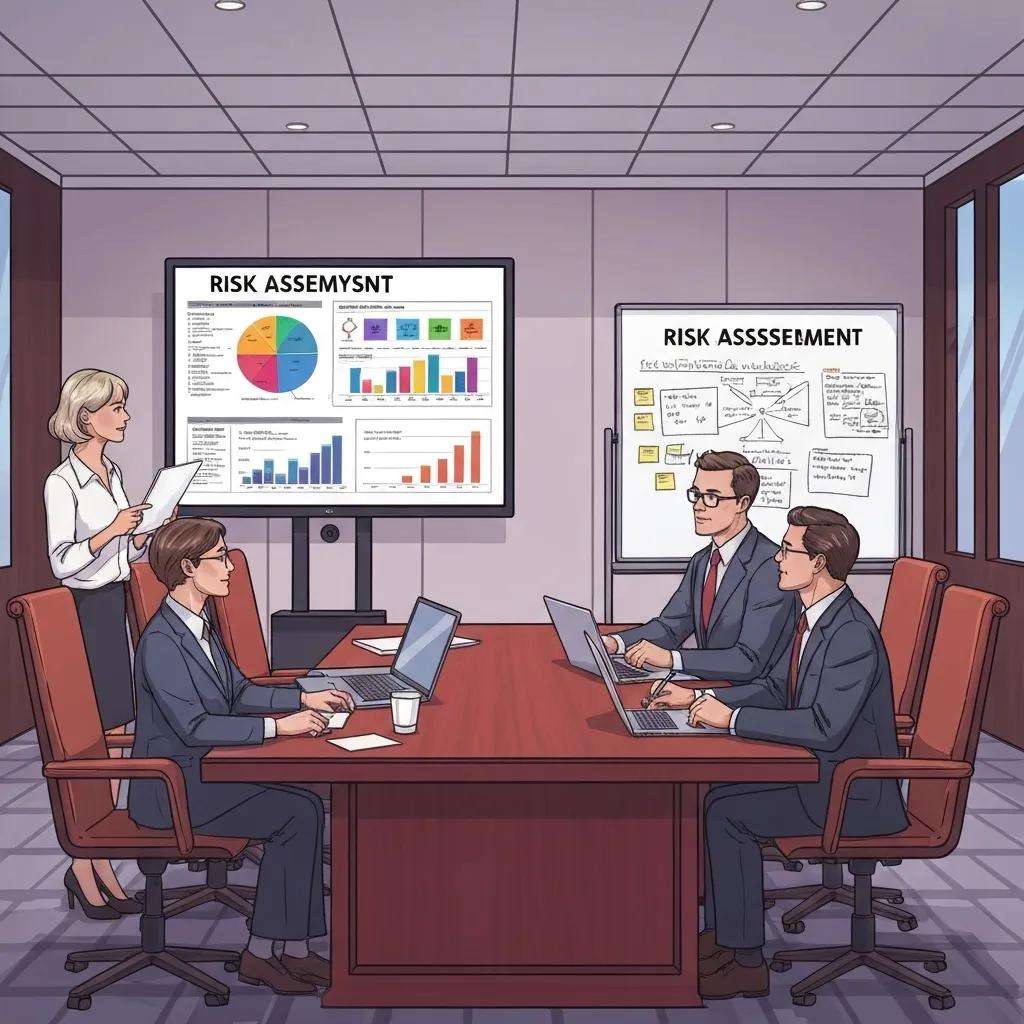
Risk assessment systematically identifies and evaluates threats, vulnerabilities, and impacts on information assets to prioritize treatment measures.
- Identify assets and threats. List hardware, software, data, and associated risks.
- Analyze likelihood and impact. Rate each risk using qualitative or quantitative scales.
- Evaluate risk levels. Determine whether to mitigate, transfer, accept, or avoid each risk.
Effective risk assessment informs the Statement of Applicability and ensures controls are proportionate to organizational risk appetite.
How Do You Develop Essential Documentation Like the Information Security Policy and Statement of Applicability?
Creating mandatory ISMS documents establishes governance and evidences compliance with ISO 27001. Key documents include:
- Information Security Policy outlining objectives, roles, and responsibilities.
- Statement of Applicability (SoA) listing selected Annex A controls and justifications for exclusions.
- Risk Treatment Plan detailing mitigation measures, owners, and timelines.
These documents anchor the ISMS and prepare the organization for audit readiness.
How Is the ISO 27001 ISMS Implemented Effectively?
Effective ISMS implementation means applying selected controls, maintaining documentation, and fostering a security-aware culture to protect confidentiality, integrity, and availability of information assets. This phase transforms planning into operational practice and sets the stage for certification audits.
What Are Annex A Controls and How Are They Implemented?
Annex A controls catalog best practices organized into categories; implementing them reduces identified risks and demonstrates compliance.
| Control Category | Parameter | Impact |
|---|---|---|
| Organizational Controls | Governance and policies | Aligns management with ISMS |
| People Controls | Training and awareness | Reduces human error and risk |
| Physical Controls | Access restrictions | Prevents unauthorized entry |
| Technical Controls | Encryption and monitoring | Secures data in transit and rest |
This breakdown guides teams to integrate appropriate safeguards across all domains.
How Should ISMS Documentation Be Managed and Maintained?
Robust document management involves version control, access permissions, and periodic review to keep policies and procedures current.
- Store documents in a centralized repository with audit trails.
- Assign document owners responsible for updates after significant changes.
- Schedule reviews at least annually or when organizational context changes.
Continuous documentation upkeep ensures audit readiness and operational consistency.
Why Is Employee Security Awareness Training Important?

Employee training builds a culture of vigilance and empowers staff to recognize and report security events. Effective programs cover phishing, password hygiene, and incident reporting procedures. Well-trained personnel act as an active defense layer and reinforce technical controls.
What Does the ISO 27001 Audit Process Involve?
The audit process validates ISMS conformity through internal checks and independent certification audits, providing evidence of effective risk management and continual improvement.
How Is an Internal Audit Performed Before Certification?
Internal audits systematically review ISMS processes against ISO 27001 requirements to identify nonconformities and corrective actions. Auditors examine records, interview personnel, and test controls. Addressing findings before external audits strengthens overall compliance and readiness.
What Happens During the Stage 1 Audit Documentation Review?
Stage 1 auditors assess the completeness of ISMS documentation, including policies, SoA, and audit plans. They verify scope, risk assessment methodology, and readiness for on-site audit. Successful documentation review paves the way for the comprehensive Stage 2 assessment.
What to Expect in the Stage 2 Certification Audit?
Stage 2 auditors evaluate implementation and effectiveness of controls on-site. They observe operations, interview employees, and test technical measures. Passing Stage 2 results in the issuance of an ISO 27001 certificate, confirming that the ISMS meets international standards.
How Do You Choose an Accredited ISO 27001 Certification Body?
Selecting a certification body involves comparing accreditation, services, and industry reputation to ensure impartial audit and recognized certification.
| Certification Body | Accreditation | Key Service |
|---|---|---|
| National Accreditor A | ISO/IEC 17021 | Stage 1 and Stage 2 audits |
| Accredited Partner B | ISO/IEC 27006 | Surveillance and recertification |
Partnering with an accredited body guarantees global acceptance of certification.
How Do You Maintain ISO 27001 Certification Over Time?
Ongoing maintenance of ISO 27001 ensures sustained compliance through regular review, improvement, and corrective action.
What Are Surveillance Audits and Their Frequency?
Surveillance audits occur annually to confirm continued ISMS performance and control effectiveness. Auditors review a subset of controls and corrective actions, reinforcing accountability and continual compliance.
Surveillance audits are integral to the maintenance of an Information Security Management System (ISMS), occurring annually to ensure ongoing performance and the effectiveness of controls. During these audits, auditors meticulously review a selected subset of controls to assess their functionality and relevance in the evolving security landscape. This targeted approach allows organisations to verify that established security measures are not only in place but are also performing as intended. By focusing on specific controls, auditors can provide a more in-depth evaluation that highlights areas of strength, as well as identifying any weak points that may require corrective actions.
The process of conducting surveillance audits fosters a culture of accountability within the organisation. By reinforcing the necessity of continual compliance, these audits encourage teams to remain vigilant in their security practices and to take ownership of their roles in the ISMS. As auditors review corrective actions taken since the last audit, it becomes clear that an active commitment to security is paramount. This cyclical process not only ensures that the organisation meets regulatory requirements but also promotes an environment where continuous improvement of information security processes is encouraged, ultimately enhancing the overall resilience of the organisation against potential threats.
How Is Continuous Improvement Applied to the ISMS?
Continuous improvement follows the Plan-Do-Check-Act cycle, using audit findings, management reviews, and performance metrics to refine risk treatment and policies. This adaptive approach strengthens resilience and response to evolving threats.
How Are Nonconformities Managed and Corrected?
Nonconformities are logged, analyzed for root causes, and addressed through corrective action plans with assigned owners and deadlines. Timely resolution closes gaps and demonstrates a culture of proactive improvement.
In the realm of quality management, the identification and management of nonconformities play a crucial role in ensuring consistent compliance with defined standards and specifications. Nonconformities refer to instances where processes, products, or services deviate from agreed-upon requirements, potentially impacting the overall quality and reliability. To effectively manage and correct these nonconformities, organisations typically implement a structured approach that begins with thorough identification and documentation. This involves conducting regular audits and assessments to uncover discrepancies, followed by a clear recording of these issues in a nonconformity report, which serves as the foundation for subsequent corrective actions.
Once nonconformities are documented, the next step involves analysing the root causes to understand why they occurred in the first place. This analysis is critical, as it enables organisations to implement corrective actions that address the underlying issues rather than merely treating the symptoms. A multi-disciplinary team may be assembled to contribute diverse perspectives and expertise in developing effective solutions. After corrective actions are identified and implemented, organisations will also need to monitor their effectiveness, ensuring that the measures taken have indeed rectified the nonconformities and prevented recurrence. By fostering a culture of continuous improvement and learning, organisations can enhance their operational effectiveness and maintain high standards of quality in their offerings.
What Are the Benefits and Costs of ISO 27001 Certification?
ISO 27001 certification delivers measurable security, compliance, and market advantages while requiring upfront and ongoing investment.
What Are the Key Benefits of ISO 27001 Certification?
ISO 27001 enhances risk management, builds customer trust, streamlines regulatory compliance, and provides a competitive edge. Certified organizations demonstrate commitment to safeguarding sensitive information and reducing the impact of data breaches.
How Much Does ISO 27001 Certification Typically Cost?
Cost and Timeline of ISO 27001 Certification
The cost of ISO 27001 certification varies depending on factors such as the scope of the ISMS, the size of the organization, and the fees charged by the certification body. The timeline for achieving certification typically ranges from three to nine months, contingent on organizational readiness and resource allocation.
| Cost Component | Typical Range | Description |
|---|---|---|
| Initial Audit Fees | $5,000–$15,000 | Stage 1 and 2 certification |
| Consultant Support | $10,000–$30,000 | Gap analysis and documentation |
| Surveillance Audits | $2,000–$5,000 | Ongoing compliance verification |
Budgeting for these components ensures transparent investment and resource planning.
What Is the Typical Timeline for Achieving Certification?
Achieving ISO 27001 certification generally takes three to nine months, depending on organizational readiness and resource allocation. A tightly scoped ISMS and dedicated project team can accelerate the timeline toward certification.
ISO 27001 certification steps become manageable when broken into clear phases and supported by structured risk assessment, documentation, and continuous improvement. Organizations that embrace this framework strengthen their security posture, demonstrate compliance, and gain strategic advantage with a resilient ISMS.
Frequently Asked Questions
What is the role of top management in ISO 27001 implementation?
Top management plays a crucial role in the successful implementation of ISO 27001 by demonstrating leadership and commitment to the Information Security Management System (ISMS). They are responsible for establishing the information security policy, ensuring adequate resources are allocated, and promoting a culture of security awareness throughout the organization. Their active involvement is essential for aligning the ISMS with business objectives and for fostering a supportive environment that encourages compliance and continuous improvement.
How can organisations ensure employee engagement in the ISMS?
To ensure employee engagement in the ISMS, organizations should implement regular training sessions that highlight the importance of information security and the specific roles employees play in maintaining it. Encouraging open communication about security practices and incidents can also foster a sense of ownership. Additionally, recognizing and rewarding employees for their contributions to security initiatives can motivate them to actively participate in safeguarding information assets, thereby enhancing the overall effectiveness of the ISMS.
What are the common challenges faced during ISO 27001 certification?
Common challenges during ISO 27001 certification include resistance to change, lack of awareness about information security, and insufficient resources for implementation. Organizations may also struggle with defining the ISMS scope and conducting thorough risk assessments. Additionally, maintaining documentation and ensuring compliance with all clauses of the standard can be daunting. Addressing these challenges requires strong leadership, effective communication, and a well-structured project plan to guide the certification process.
How often should the ISMS be reviewed and updated?
The ISMS should be reviewed and updated at least annually or whenever there are significant changes in the organization, such as new technologies, processes, or regulatory requirements. Regular reviews help ensure that the ISMS remains effective and relevant in addressing emerging threats and vulnerabilities. Additionally, ongoing monitoring of security controls and performance metrics should inform updates, allowing organizations to adapt their security posture in response to evolving risks.
What is the significance of the Statement of Applicability (SoA)?
The Statement of Applicability (SoA) is a critical document in the ISO 27001 framework, as it outlines which Annex A controls are applicable to the organization and provides justifications for any exclusions. The SoA serves as a reference point for auditors and stakeholders, demonstrating the organization’s commitment to managing information security risks. It also helps ensure that the selected controls align with the organization’s risk assessment and treatment plan, facilitating effective implementation and compliance.
How can organizations measure the effectiveness of their ISMS?
Organizations can measure the effectiveness of their ISMS through various methods, including regular internal audits, management reviews, and performance metrics. Key performance indicators (KPIs) related to incident response times, compliance rates, and employee training completion can provide insights into the ISMS’s performance. Additionally, feedback from audits and security incidents can inform areas for improvement, ensuring that the ISMS evolves to meet changing security needs and organizational objectives.
Conclusion
Achieving ISO 27001 certification empowers organizations to enhance their information security management, fostering trust and compliance while mitigating risks. By following a structured approach to certification, businesses can streamline their processes and gain a competitive edge in the market. Embrace the journey towards certification and unlock the full potential of your ISMS today. Explore our resources to guide you through each step of the ISO 27001 certification process.