Discover the Cost of ISO 9001 Online Training Today

ISO 9001 Online Training Costs: Complete Pricing & Value Insights
A comprehensive ISO 9001 online training program often costs between $100 and $2,000, making clear pricing insight essential for professionals and organizations planning quality management initiatives. This guide outlines typical price ranges by course level, cost-driving factors, free versus paid formats, provider models, and the long-term return on investment from accredited e-learning. It also examines organizational certification expenses beyond training fees to support accurate budgeting for a robust Quality Management System (QMS). Understanding these elements empowers informed decisions on ISO 9001 online training and certification value.
What Is ISO 9001 Online Training and Why Does It Matter?
ISO 9001 online training delivers structured learning on the ISO 9001:2015 standard, enabling learners to implement and audit quality management systems remotely. This approach reduces travel expenses and accelerates knowledge transfer, as when a mid-sized manufacturer shortened certification timelines by six weeks using self-paced audit modules. Grasping the scope and benefits of e-learning sets the stage for evaluating pricing and course value, which we’ll detail next.
What Is ISO 9001 and How Does It Relate to Quality Management Systems?
ISO 9001 is an international standard that defines requirements for a quality management system (QMS). It outlines processes for continual improvement, risk management, and customer satisfaction. As the backbone of organizational quality frameworks, ISO 9001 guides systematic process control and audit procedures, forming the core content of all online training modules.
ISO 9001 Standard and Quality Management Systems - English
The ISO 9001 standard provides a framework for quality management systems, emphasizing continual improvement, risk management, and customer satisfaction within an organization. This standard guides systematic process control and audit procedures, forming the core content of online training modules.
International Organization for Standardization, ISO 9001:2015 Quality management systems — Requirements (2015)
This source directly supports the article’s explanation of ISO 9001 and its role in quality management.
What Types of ISO 9001 Online Courses Are Available?
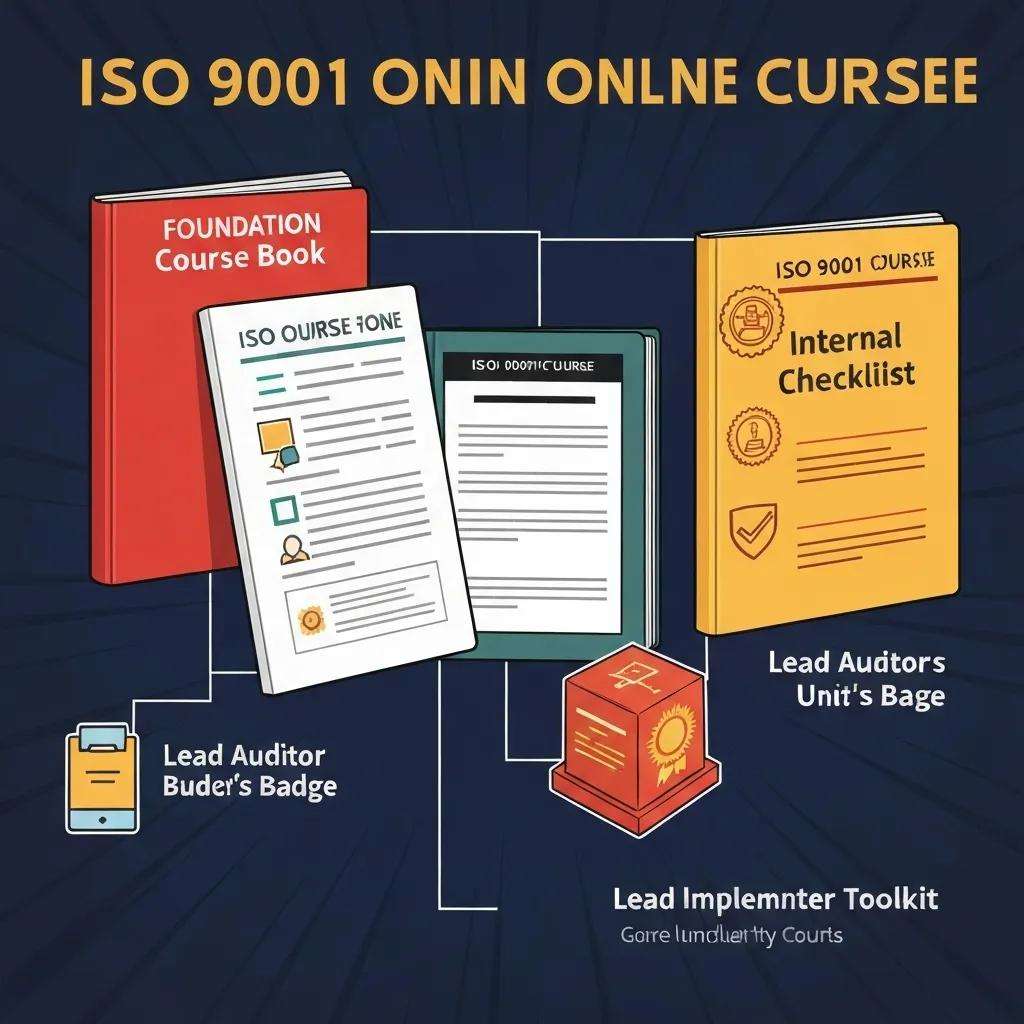
Online ISO 9001 courses span multiple competency levels to match learner objectives:
- Foundation courses introduce core QMS principles and benefit those new to ISO awareness.
- Internal Auditor courses equip participants with audit techniques to evaluate process compliance and foster continual improvement.
- Lead Auditor courses train professionals to plan, lead, and report third-party audits in line with ISO requirements.
- Lead Implementer courses guide quality managers through full implementation, including gap analysis and documentation.
These structured levels enable selection of training that aligns with specific roles and certification goals.
How Does Online Training Offer Flexibility and Accessibility?

Online training platforms provide on-demand access to ISO 9001 materials, accommodating global schedules and varied learning paces. Learners can log in from any location and revisit interactive modules as needed, ensuring knowledge retention and reducing scheduling conflicts. This flexibility supports dispersed teams across time zones and maintains training continuity when onsite sessions are impractical, clarifying why e-learning remains a cost-effective solution.
Benefits of Online Training - English
Online training offers flexibility and accessibility, allowing learners to access materials on demand and revisit modules as needed. This approach supports dispersed teams and maintains training continuity, making it a cost-effective solution.
Allen, I. E., & Seaman, J., Grade Level: Tracking Online Education in the United States (2014)
This citation supports the article’s claims about the flexibility and accessibility of online training.
What Are the Typical Costs of ISO 9001 Online Training Courses?
Typical ISO 9001 online training costs reflect course complexity, accreditation status, and included resources. Providers set prices to cover instructor support, exam fees, and digital materials. Basic awareness courses begin at around $100, while lead auditor programs can exceed $1,500. Recognizing these ranges shapes realistic budgeting for QMS education.
What Is the Average Price Range by Course Type and Level?
| Course Level | Approximate Fee (USD) | Accreditation Tier |
|---|---|---|
| Foundation | 100–300 | Introductory awareness |
| Internal Auditor | 200–600 | Accredited audit training |
| Lead Auditor | 800–1,500 | Exam and credential |
| Lead Implementer | 1,200–2,000 | Full implementation |
Which Factors Influence the Cost of ISO 9001 Online Training?
Several factors drive the price of ISO 9001 e-learning programs:
- Provider reputation and accreditation status signal quality and recognition.
- Course duration and delivery format affect fees based on instructor interaction versus self-paced modules.
- Included materials such as case studies, templates, and practice exams add value and may raise pricing.
- Examination and certification fees vary by accreditation body and can constitute up to 30 percent of total cost.
- Bundled offerings with multiple ISO standards often provide discounted per-course rates but higher overall investment.
These cost drivers explain variations among providers.
How Do Free ISO 9001 Online Training Options Compare to Paid Courses?
Free ISO 9001 online resources offer basic standard overviews but lack formal accreditation and exam access. These options deliver initial exposure through videos or whitepapers, making them ideal for awareness but not suitable for professional certification. In contrast, paid courses include accredited credentials, instructor support, and formal exams that carry recognized value in career advancement and organizational compliance.
How to Choose the Best ISO 9001 Online Training Provider for Your Budget?
Selecting an ISO 9001 e-learning provider involves balancing cost with accreditation, content quality, and learner support. A strategic choice aligns budget constraints with career or organizational objectives. The following comparisons and selection criteria will guide cost-effective decisions.
Which Top Providers Offer ISO 9001 Online Training and What Are Their Pricing Models?
| Provider Category | Pricing Structure | Key Offering |
|---|---|---|
| Accredited certification bodies | Tiered fee per course | Official exam and certificate issuance |
| Independent e-learning platforms | Subscription or one-time | Self-paced modules with community engagement |
| Bundled training aggregators | Bundle discount pricing | Access to multiple ISO standards at reduced rates |
What Should You Look for in an Accredited ISO 9001 Online Course?
Accredited courses must meet rigorous standards to ensure certification validity and professional recognition:
- Verification by recognized accreditation bodies confirms global acceptance.
- Comprehensive syllabus covering ISO clauses, QMS implementation, and audit principles ensures technical depth.
- Formal examination with proctoring or verified assessments validates competence.
- Practical case studies and process templates support real-world application.
- Continuing education credits or CPD points enhance professional development.
These accreditation criteria underpin course credibility.
How Can You Maximize ROI from ISO 9001 Online Training?
Maximizing return on investment involves applying learned techniques to streamline processes, reduce nonconformities, and boost customer satisfaction. Individuals can leverage accredited credentials for higher salaries or leadership roles, while organizations recoup costs through efficiency gains and fewer audit failures. Embedding quality management principles continually also fosters sustainable competitive advantage.
What Are the Additional Costs Beyond ISO 9001 Online Training?
Beyond individual course fees, organizational certification for ISO 9001 involves consultancy, audit fees, and maintenance costs that vary by scope and complexity. Companies should budget for initial gap analysis, external audit charges, and annual surveillance visits to sustain compliance, ensuring accurate total cost estimation for a complete QMS program.
How Does Training Cost Differ from ISO 9001 Certification Cost?
Training costs cover individual learning and certification exam access, whereas certification costs encompass organizational activities such as third-party audits, site visits, and ongoing surveillance. Unlike online course fees, certification expenses scale with company size, number of sites, and audit frequency.
What Factors Affect the Overall ISO 9001 Certification Cost for Organizations?
Several variables influence the total cost of ISO 9001 certification for a business:
- Company size and number of operational sites determine audit scope and resource allocation.
- Process complexity and documentation requirements increase consulting and audit effort.
- Selection of certification body affects fee structures and travel charges for external auditors.
- Frequency of surveillance audits and recertification cycles impacts ongoing maintenance costs.
- Additional consulting or internal trainings may be needed to address nonconformities and ensure continual improvement.
Understanding these drivers enables accurate budgeting beyond training fees.
What Are the Most Common Questions About ISO 9001 Online Training Costs?
Learners frequently question investment levels, certification pathways, and time commitments when evaluating ISO 9001 e-learning programs. Lead auditor online courses generally cost between $800 and $1,500. Individuals can achieve ISO 9001 certification by passing accredited exams after completing appropriate training modules. Most ISO 9001 online training programs span 16 to 40 hours of study, which can be completed over one to four weeks depending on learning pace. Addressing these concerns aligns expectations with budget and schedule.
Transparent pricing empowers professionals and organizations to invest strategically in ISO 9001 online training and certification. By assessing course levels, accreditation, and long-term ROI, stakeholders can align quality management goals with budget realities. Recognizing additional audit and maintenance expenses ensures comprehensive financial planning. Informed decision-making paves the way for successful ISO 9001 implementation and sustained operational excellence.