Understanding ISO 27001: Key Principles and Benefits
ISO 27001 is the international standard for information security management systems (ISMS), providing a systematic approach to managing sensitive company information. This standard helps organizations protect their data through a robust framework that encompasses people, processes, and technology.
Implementing ISO 27001 can lead to numerous benefits, including enhanced data security, reduced risk of data breaches, and improved stakeholder confidence. Organizations that adopt this standard not only safeguard their information but also demonstrate their commitment to maintaining high security and privacy standards to clients and partners.
ISO Certification Process: Step-by-Step Guide
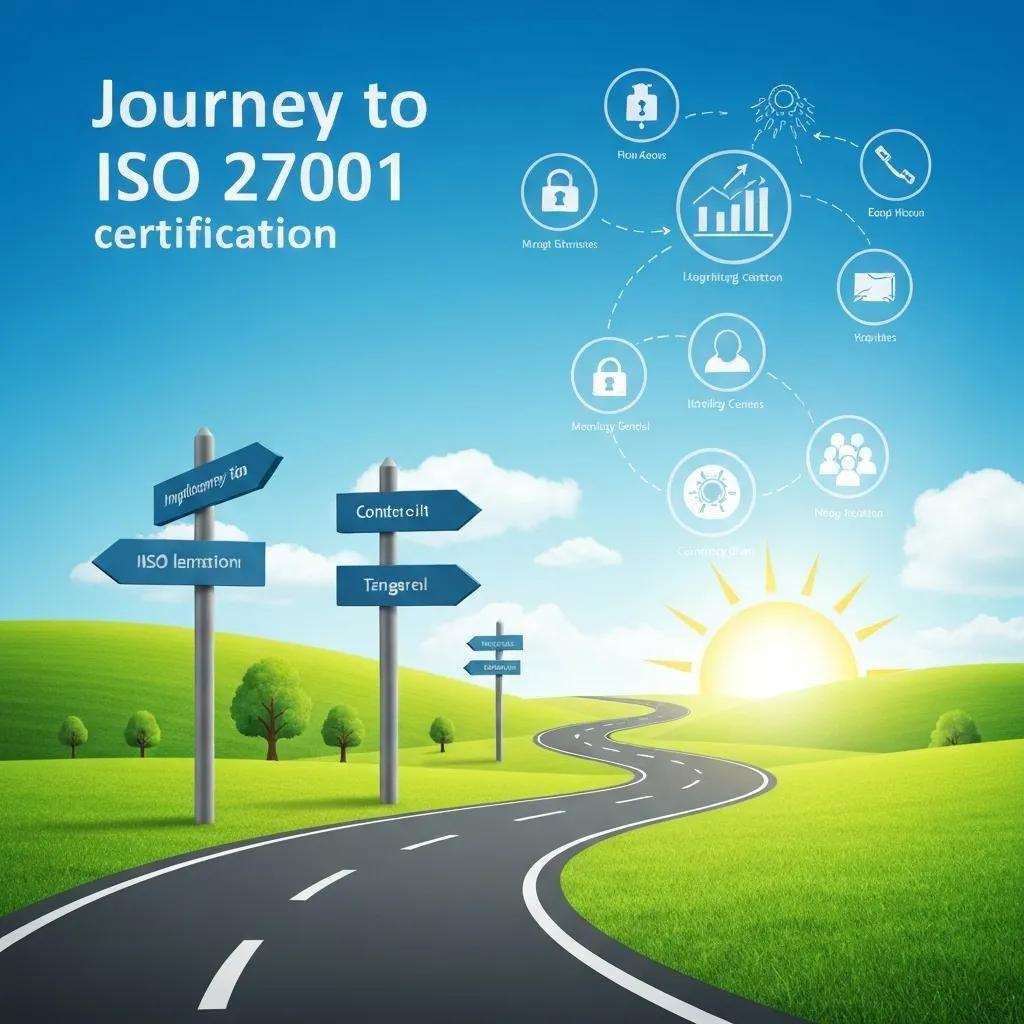
The ISO certification process can be complex, but understanding its key steps can simplify the journey. This process typically involves a thorough assessment of current practices, documentation of procedures, and implementation of necessary changes to meet ISO standards.
Following the initial assessment, organizations must undergo an audit by a certified body to verify compliance with the ISO standard. This audit process includes a review of documentation and on-site inspections, ensuring that all aspects of the organization's operations align with the required criteria for certification.
Common Challenges in Achieving ISO Certification
Organizations often face several challenges when pursuing ISO certification, including resistance to change, inadequate resources, and lack of understanding of the standards. These obstacles can hinder progress and lead to frustration during the certification journey.
To overcome these challenges, it is essential for organizations to engage stakeholders, provide adequate training, and allocate sufficient resources. By fostering a culture of continuous improvement and commitment to quality, businesses can effectively navigate the certification process and achieve their goals.
Future Trends in ISO Certifications
The landscape of ISO certifications is continually evolving, with emerging trends shaping how organizations approach compliance and quality management. Current trends include increased emphasis on digital transformation, sustainability, and integration of risk management into ISO standards.
As businesses adapt to these trends, ISO certification bodies are also updating their frameworks to reflect the changing needs of industries. Staying informed about these developments can help organizations remain competitive and ensure that their practices align with global standards.