ISO 9001 Certification: What is the Average Cost in Europe?

How Much Does ISO 9001 Certification Cost in Europe?
European businesses seeking ISO 9001 certification encounter cost variations driven by audit scope, company scale, and location. The average cost of ISO 9001 in Europe ranges from approximately €3,000 to €15,000 for initial certification, with annual surveillance and recertification fees adding 20–40 percent of the initial audit cost. This guide examines average fees, core cost components, influencing factors, budgeting tools, and cost-reduction strategies to help companies plan and optimize their Quality Management System expenses.
Average ISO 9001 Certification Costs in Europe
The cost of ISO 9001 certification in Europe can range from approximately €3,000 to €15,000 for the initial certification, with additional annual fees for surveillance and recertification. These costs are influenced by factors such as the scope of the audit, the size of the company, and its location.
What Is the Average ISO 9001 Certification Cost in Europe?
Average ISO 9001 certification cost in Europe reflects a combination of registrar fees, consultancy support, and internal resource allocation. Small and medium enterprises typically invest less, while larger organizations incur higher expenses due to multi-site audits and complex processes. Understanding this baseline helps forecast budgets and align quality objectives with financial planning.
When planning certification, companies should anticipate:
| Business Size | Typical Initial Fee | Annual Surveillance Fee |
|---|---|---|
| Micro (≤10 employees) | €3,000 – €6,000 | €700 – €1,200 |
| Small (11–50 employees) | €5,000 – €10,000 | €1,000 – €2,000 |
| Medium (51–250 employees) | €8,000 – €15,000 | €1,500 – €3,000 |
What Are Typical Price Ranges for Small and Medium Businesses?
Small and medium enterprises (SMEs) balance certification value against budget constraints by selecting audit scopes and consultancy levels.
- Self-assessment plus registrar audit often fits micro-enterprises at the lower fee range.
- Hybrid approach combining limited consultancy and in-house preparation suits small firms aiming for efficiency.
- Full consultancy support plus multi-site audits typically applies to medium organizations seeking streamlined implementation and reduced certification risk.
SMEs can calibrate service levels to optimize cost-benefit ratios before exploring ongoing fees.
How Do Initial Certification and Ongoing Costs Compare?
Initial certification establishes compliance and validates the Quality Management System, while surveillance and recertification audits sustain conformity over the three-year cycle.
| Cost Component | One-Time Investment | Recurring Charge (Annual) |
|---|---|---|
| Initial Certification | €3,000 – €15,000 | N/A |
| Surveillance Audits | N/A | 20–30 % of initial audit |
| Recertification Audit | N/A | 60–80 % of initial audit |
Balancing these elements ensures long-term quality maintenance without unexpected budget overruns.
What Are the Core Cost Components of ISO 9001 Certification in Europe?
ISO 9001 certification cost comprises distinct elements that collectively define total expenditure. Breaking down these components clarifies budgeting and highlights areas for potential savings.
Key cost components include:
- Certification Audits conducted by an accredited certification body.
- Consultancy Fees for gap analysis, QMS design, and internal audit preparation.
- Training and Documentation to align staff and processes with standard requirements.
- Annual Surveillance and Recertification audits ensuring ongoing compliance.
Cost Components Breakdown
The core cost components of ISO 9001 certification include certification audits, consultancy fees, training and documentation, and annual surveillance and recertification audits.
How Much Do Initial Certification Audits Cost?
Initial certification audits verify that a company’s quality management processes meet ISO 9001 requirements. Fees depend on audit days, locations, and complexity:
- Single-site audits for micro-enterprises from €3,000.
- Multi-site audits for larger organizations up to €15,000.
- Additional days add €500–€1,000 per auditor day.
These charges form the foundational investment in external compliance verification.
What Are the Consultancy Fees for ISO 9001 in Europe?
Consultancy accelerates QMS implementation by providing expert guidance and documentation templates. Typical fee structures:
- Hourly rates from €60 to €120 per hour.
- Project fees of €2,500 – €8,000 for gap analysis and system development.
- Fixed-price packages combining workshops and internal audits.
Consultancy scope directly influences overall cost and system maturity at certification.
How Much Does ISO 9001 Training and Documentation Cost?
Training ensures workforce competence in quality procedures, while robust documentation underpins audit readiness. Costs often fall into:
- Standard courses at €500 – €1,000 per participant.
- On-site workshops priced €1,200 – €2,500 per day.
- Document templates and customization services at €1,000 – €3,000.
Investing in comprehensive training and tailored documentation streamlines audit preparation.
What Are the Annual Surveillance and Recertification Fees?
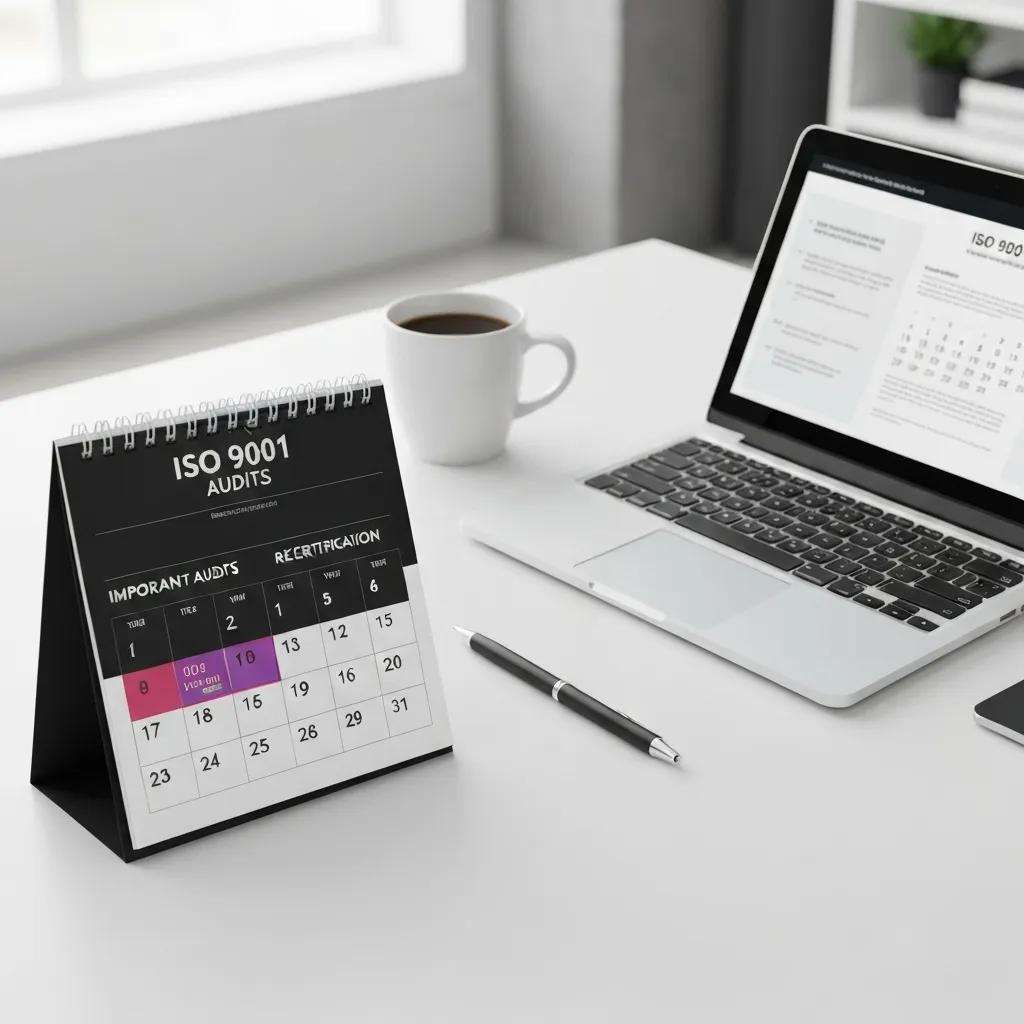
Ongoing audits maintain certification validity over the standard three-year cycle. Surveillance audits, conducted annually, cost about 20–30 percent of the initial audit fee, while recertification audits (every three years) range from 60–80 percent of the original certification charge. Planning for these recurring expenses secures continuous quality alignment.
Which Factors Influence ISO 9001 Certification Cost in Europe?
Multiple variables drive certification cost differences across European organizations, affecting budget forecasts and service selection.
Factors Influencing Certification Costs
Several factors affect the cost of ISO 9001 certification, including company size and complexity, industry-specific requirements, geographical location, and the existing maturity of the Quality Management System (QMS) and internal expertise.
- Company Size and Complexity
- Industry-Specific Requirements
- Geographical Location
- Existing QMS Maturity and Internal Expertise
How Does Company Size and Complexity Affect Certification Price?
Larger enterprises with multiple sites require extended audit days and travel, increasing certification body fees. Complex operational models with numerous process interfaces demand deeper consultancy engagement and documentation, raising costs proportionally.
What Industry-Specific Variations Affect ISO 9001 Costs?
Highly regulated industries such as aerospace or medical devices incur additional audit scope to cover sector-specific controls, driving up both certification and consultancy fees compared to lower-risk service sectors.
How Does Geographical Location Impact Certification Costs Across Europe?
Certification bodies adjust daily rates based on local market conditions and travel expenses. Northern and Western European countries often have higher auditor rates than Eastern or Southern regions, leading to regional cost disparities for identical audit scopes.
How Do Existing QMS Maturity and Internal Expertise Influence Costs?
Organizations with established quality procedures and experienced internal auditors lower reliance on external consultancy, reducing upfront fees. Mature QMS implementations often shorten external audit duration, directly cutting certification audit costs.
How Can European Businesses Estimate and Budget for ISO 9001 Certification Costs?
Accurate budgeting tools and a clear view of hidden expenses enable reliable financial planning for ISO 9001 certification.
What Tools Help Calculate ISO 9001 Certification Costs in Europe?

Cost calculators factor in audit days, employee count, industry sector, and consultancy scope. Spreadsheet models and online estimators translate these variables into projected budgets, offering interactive scenarios for tailored financial forecasts.
How Should Companies Plan for Hidden or Indirect Certification Costs?
Beyond external fees, indirect costs include internal staff hours, process changes, document control systems, and corrective-action implementations. Allocating 10–15 percent of total certification fees for internal resource commitments prevents surprise expenditures during system deployment and audits.
What Are Effective Strategies to Reduce ISO 9001 Certification Costs in Europe?
Cost-management approaches optimize investment without compromising quality or compliance.
How Can Streamlined or Online Certification Processes Lower Expenses?
Remote documentation reviews and virtual surveillance audits decrease travel days and auditor fees. Digital platforms for QMS implementation accelerate system rollout, reducing consultancy and audit preparation timelines.
What Role Does Choosing the Right Certification Body Play in Cost Reduction?
Comparing accreditation credentials, pricing models, and bundled services among certification bodies uncovers competitive daily rates and package discounts. Selecting a registrar with local audit teams often yields lower travel surcharges.
How Does Integrating ISO 9001 with Other Standards Save Money?
Combining ISO 9001 with compatible standards such as ISO 14001 or ISO 27001 leverages shared audit days and documentation, achieving multi-standard certification at a reduced aggregate cost compared to separate processes.
European organizations can use these targeted strategies to streamline expenses while sustaining robust quality management processes.
European businesses can confidently forecast ISO 9001 certification expenses by understanding average fees, core cost components, and influencing factors. Leveraging budgeting tools and indirect-cost planning ensures complete financial visibility. Implementing streamlined online audits, selecting optimal certification bodies, and pursuing multi-standard integration delivers cost efficiencies without sacrificing compliance. With this structured approach, companies can align quality objectives with strategic investment for sustained market advantage.