
Master Surveillance Detection: Boost Your Security Awareness
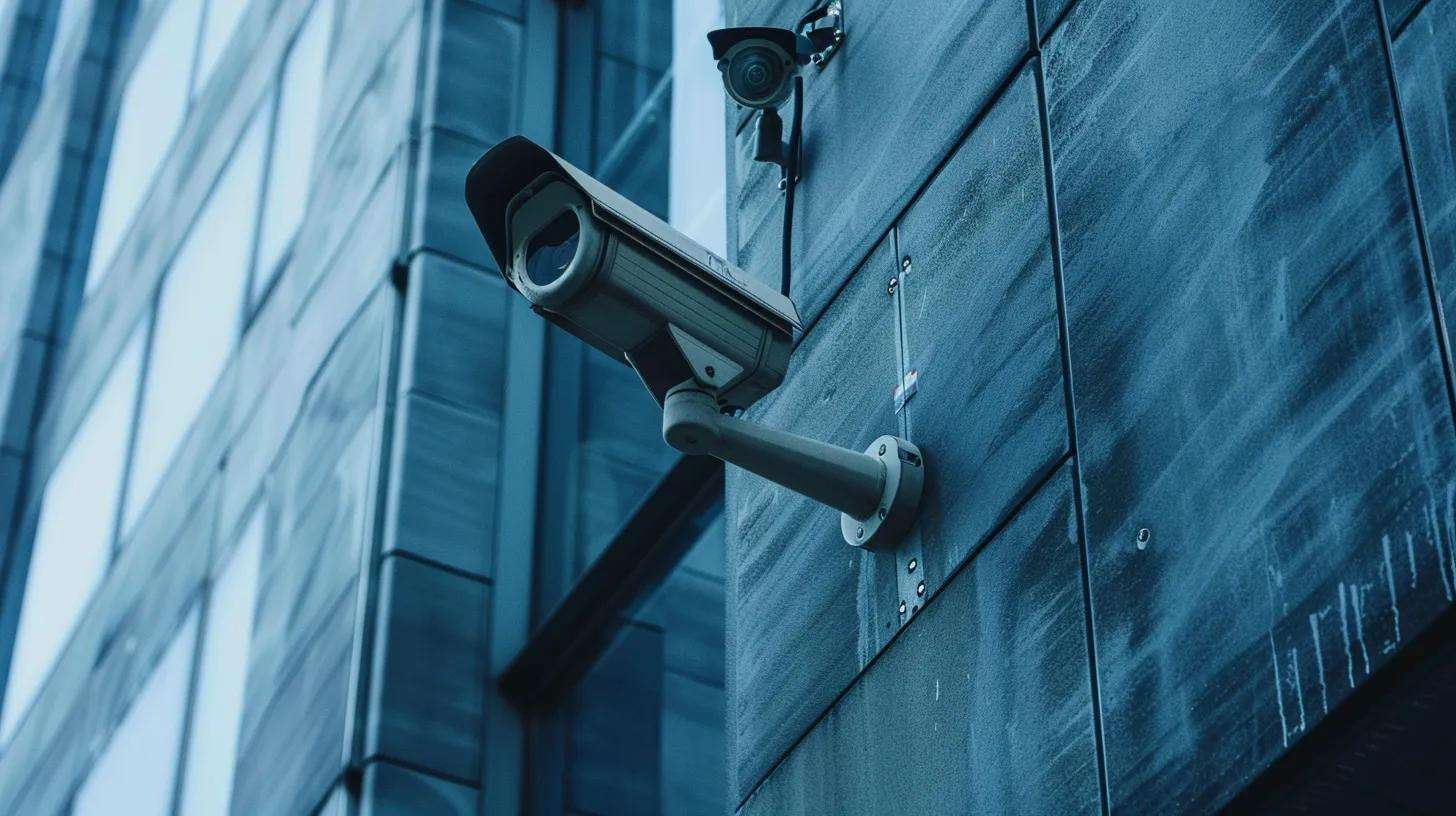
Core Surveillance Detection Methods for Effective Counter-Surveillance
Surveillance detection is the systematic practice of observing, recording and analysing behaviours, patterns and technical signals that indicate hostile or unauthorised observation of people, assets or facilities. This guide explains how detection works at a practical level — combining human-led situational awareness, behavioural indicators and technical sweeps — and why organisations benefit through reduced espionage risk, faster incident response and stronger regulatory compliance. Readers will learn the T.E.D.D. model (Time, Environment, Distance, Demeanor), practical checklists for frontline staff, and when to deploy technical surveillance countermeasures (TSCM) or digital forensics to preserve evidence. The article maps proactive detection methods, advanced counter-surveillance techniques and training approaches that close the gap between physical observation and cyber reconnaissance. Where operational support is needed, ACATO — a UK-based consultancy focused on ISO 27001, cyber security, IT forensics and counter-espionage — offers targeted services and free consultations to help assess risk and prioritise detection work. The sections below cover definitions and threats, T.E.D.D. indicators, proactive detection methods, advanced countermeasures, training, and incident response with legal considerations.
What Is Surveillance Detection and Why Is It Crucial for Security?
Surveillance detection is the process of identifying patterns of observation or technical monitoring aimed at gathering intelligence on personnel, operations or assets, and it works by correlating repeated behaviours, anomalies and technical artefacts to distinguish hostile reconnaissance from benign activity. The mechanism combines human reporting, CCTV analytics, RF and physical sweeps, and incident logging to produce actionable alerts that reduce the time between reconnaissance and response. Organisations gain early warning of pre-operational activity, reducing the likelihood of IP theft, targeted attacks and reputational damage while enabling legally sound evidence collection. Effective surveillance detection also integrates with risk registers and ISMS controls such as ISO/IEC 27001 to ensure detection feeds into governance and corrective actions. To apply detection consistently, teams should map critical assets, define reporting channels, and train staff to recognise the T.E.D.D. indicators described next.
How Does Hostile Surveillance Threaten Businesses and Organizations?
Hostile surveillance is often a precursor to theft, targeted cyber intrusion, or physical sabotage and its motive ranges from corporate espionage to political activism and competitive intelligence gathering. Attackers conduct pre-operational reconnaissance to map access points, schedules and information flows; successful surveillance increases the probability of stolen blueprints, credential harvesting or staged incidents that cause operational disruption.
Organisations commonly face intellectual property loss, regulatory exposure and client trust erosion when surveillance proceeds undetected, and the financial and reputational impacts can be disproportionately large compared to the initial reconnaissance. To counter this, businesses should treat surveillance detection as a risk control: identify likely adversaries, prioritise high-value targets and enact layered detection that ties physical observations to network telemetry. Understanding the adversary’s intent leads naturally to defining the core concepts and entities that participate in surveillance detection efforts.
What Are the Key Concepts and Entities in Surveillance Detection?
Core concepts include pre-operational reconnaissance, technical surveillance countermeasures (TSCM), threat intelligence and incident response workflows; each concept links to specific actions such as logging, sweeping or escalation. Key entities involved in effective detection are internal security teams, IT and SOC functions, legal counsel, third-party TSCM specialists and, when appropriate, law enforcement — all coordinated through policies and ISMS processes like ISO/IEC 27001. Standards and regulations such as GDPR and NIS 2 create obligations for preserving evidence and reporting breaches where surveillance leads to data compromise, which makes adherence to audit trails and chain-of-custody methods essential. Practical detection programs therefore map responsibilities (who logs, who investigates, who engages specialists) and integrate threat intelligence feeds to contextualise suspicious activity. These relationships determine when to scale from internal handling to specialist counter-espionage or forensic intervention.
What Are the Common Indicators of Hostile Surveillance Using the T.E.D.D. Model?
The T.E.D.D. model organises surveillance indicators into Time, Environment, Distance and Demeanor, providing a compact checklist to spot hostile observation and distinguish it from normal behaviour. Using this model helps staff and security teams record repeatable cues that, when correlated, signal targeted reconnaissance rather than chance presence. Below is a concise list summarising each T.E.D.D. element with practical examples for rapid recognition and reporting.
- Time: Repeated visits or surveillance during abnormal hours that suggest deliberate timing to map routines.
- Environment: Unusual vehicles, equipment or placement near sensitive areas that create observation points.
- Distance: Fixed presence at viewing points or lingering beyond reasonable proximity for non-business reasons.
- Demeanor: Nervous, avoidant or overly attentive behaviour that indicates covert observation.
This quick reference is designed for frontline staff to use when deciding whether to escalate an observation to security or log it for trend analysis. The model is best applied alongside standard reporting templates so that time stamps, photos and witness notes can be centrally correlated. The following subsections expand on recognising Time and Environment cues, then on Distance and Demeanor signals, plus a structured table to make these indicators actionable for organisations.
How to Recognize Time and Environment Indicators of Suspicious Activity?
Time-related indicators include repeated presence at consistent intervals, visits coinciding with shift changes, and observation that maps arrival or departure patterns; these behaviours often precede targeted attacks. Environment indicators cover parked vehicles with no apparent destination, unfamiliar equipment such as cameras on tripods or cable runs, and positioning near service corridors or loading bays where surveillance yields high-value information. Recording best practices call for precise time stamps, vehicle descriptions (make, colour, registration when lawful), photographs and contextual notes about what was observed and why it felt anomalous. Staff should avoid confrontation, preserve personal safety and forward reports to the designated security contact using a standard incident log to enable correlation. Consistent environmental logging enables pattern recognition that separates opportunistic loitering from systematic reconnaissance.
Introductory overview of T.E.D.D. indicators and how to operationalise them in a business context.
This table turns abstract T.E.D.D. categories into immediate, reportable observations staff can use to escalate concerns and inform follow-up countermeasures.
What Role Do Distance and Demeanor Play in Identifying Surveillance?
Distance indicators include repeated use of vantage points, consistent vehicle parking that provides a line-of-sight, and devices such as binoculars or long-lens cameras that extend observation range. These distance cues are significant because they show an intent to monitor without physical access, often reducing the attacker’s exposure while allowing data collection over time. Demeanor indicators focus on subject behaviour — excessive note-taking, use of disguises, overly detailed questioning, or patterns of avoidance — which, combined with distance signs, increase the suspicion level. Triage guidance suggests logging low-severity behaviours for trend analysis but escalating high-severity or persistent patterns to security or external specialists. When distance and demeanor combine with Time and Environment indicators, the probability that observation is hostile rises materially and justifies technical countermeasures.

Which Proactive Surveillance Detection Methods Enhance Security Awareness?
Proactive surveillance detection blends human training, process controls and technical monitoring to create an early-warning ecosystem that prevents reconnaissance from progressing to an incident. Methods include situational awareness training, observational drills, security audits, continuous cyber attack monitoring and threat-intelligence integration that link physical anomalies to online reconnaissance such as spear-phishing or account probing. Each method contributes unique detection advantages: staff spotting behavioural cues, audits revealing structural vulnerabilities, and cyber monitoring identifying digital reconnaissance that often accompanies physical surveillance. The approach is most effective when these elements are coordinated through incident response playbooks and regular review cycles to reduce dwell time and improve attribution.
- Situational awareness training: Increases frontline detection of suspicious behaviour and improves reporting quality.
- Security audits and vulnerability assessments: Reveal weak access controls, sightlines and process gaps that facilitate surveillance.
- Cyber attack monitoring and threat intelligence: Detects digital reconnaissance and indicators of compromise that correlate with physical observation.
Regular exercises and an integrated reporting loop reinforce detection behaviour and ensure that alerts are actionable rather than anecdotal. For organisations seeking specialist support, ACATO provides services aligned to these proactive measures — including security audits, cyber attack monitoring and ISO/IEC 27001 awareness training — and offers free consultations to help prioritise detection activities and integrate them into governance frameworks.
How Can Situational Awareness and Observational Skills Detect Suspicious Behavior?
Situational awareness training teaches staff to scan for anomalies, report without delay and preserve evidence safely, converting informal observations into structured intelligence. Core exercises include role-play spotting, route-variation drills and using standardised reporting templates that capture time, location and behaviour descriptions; training frequency of quarterly refreshers with annual full simulations reinforces retention. A simple observation script helps staff know what to note: who, what, when, where and why the behaviour was unusual — and to whom they should report it. Embedding these practices cultivates a culture where employees treat surveillance detection as part of their duties, increasing the organisation’s ability to detect pre-operational activity early. These human-centred skills complement technical monitoring by providing context that sensors alone cannot.
What Are the Benefits of Security Audits and Cyber Attack Monitoring?
Security audits identify physical and procedural weaknesses that make surveillance easier, such as poor lighting, unmonitored sightlines or lax visitor controls, while cyber attack monitoring detects reconnaissance like credential stuffing, scanning and data exfiltration attempts. Together, audits and monitoring reduce detection gaps by revealing how an adversary chains physical observation with digital probes to build a complete picture. Measurable benefits include reduced mean time to detect, fewer successful intrusions, and more robust evidence for incident response or legal action. Audits should feed into remediation roadmaps and monitoring should integrate alerting into SOC processes so that physical observations can be correlated with network events. This integration links disparate signals into a coherent threat picture and accelerates containment.

What Advanced Counter Surveillance Techniques Protect Against Corporate Espionage?
Advanced counter-surveillance combines physical, electronic and digital measures to disrupt hostile reconnaissance and protect sensitive assets, with TSCM offering specialist detection of technical monitoring devices while digital counter-espionage targets network-level reconnaissance and data theft. Physical measures include route-hardening, access control enhancements and environmental design to reduce observation points; technical measures include RF sweeps, thermal inspections and firmware checks to detect covert listening devices. Digital counter-espionage applies network segmentation, endpoint detection and response (EDR), and continuous monitoring to detect lateral movement and data staging. Choosing the right mix depends on threat profile, asset criticality and detection history; the comparison table below helps organisations weigh options by type and effectiveness.
This comparison clarifies that effective counter-surveillance is layered: physical disruption reduces observation opportunities, TSCM removes technical eavesdropping, and digital controls block the data paths adversaries seek. When organisations require specialist TSCM or digital counter-espionage, engaging experienced providers for scheduled sweeps and targeted forensic analysis is recommended; ACATO’s counter-espionage and TSCM-aligned services can assess suitability and support operational planning through a free consultation offer.
How Do Physical Countermeasures Disrupt Hostile Surveillance?
Physical countermeasures focus on denying observation opportunities and confusing reconnaissance patterns through access control upgrades, sightline reduction, and variable movement procedures for personnel. Practical steps include hardening transit routes, using controlled entry points, introducing deliberate route variations for high-risk personnel, and modifying lighting or landscaping to reduce clear lines of sight. These operational changes work in combination with facility design adjustments such as opaque barriers and monitored perimeters to increase the cost and complexity of surveillance for adversaries. Coordination with facilities management and security staff ensures measures are sustainable and do not impede normal operations. Implemented consistently, physical countermeasures make reconnaissance unreliable and raise the likelihood of early detection.
What Electronic Counter Surveillance Measures Are Effective Against Technical Threats?
Electronic counter-surveillance includes scheduled TSCM sweeps, RF detection equipment, firmware integrity checks and secure communications protocols to remove or mitigate covert technical monitoring. TSCM typically uses RF spectrum analysis, non-linear junction detectors, and physical inspections to seek transmitters, hidden cameras and compromised endpoints; however, these tools have limitations and are most effective when combined with intelligence about suspected equipment or behavioural indicators. Best practice recommends regular baseline sweeps, targeted sweeps after suspicious incidents, and strict hardware hygiene such as approved firmware management and inventory control. Calling in specialist TSCM teams is advisable when technical indicators align with high-value targets or when internal capabilities cannot guarantee thorough coverage.
How Does Security Awareness Training Help Identify Insider Threats and Suspicious Activity?
Security awareness training reduces detection gaps by equipping staff to spot both external surveillance and insider threat signals, turning everyday observations into structured reports that feed investigative workflows. Training topics should cover recognition of surveillance behaviours, safe reporting practices, phishing and social engineering awareness, and the importance of least-privilege information handling. Measurement of training effectiveness relies on simulated exercises, KPIs such as reporting rates and time-to-escalation, and periodic audits that validate that staff know how to preserve evidence and engage response teams. Embedding detection into performance metrics and ISMS controls ensures awareness becomes an auditable control rather than an ad hoc practice, linking human vigilance to formal security outcomes.
What Are Best Practices for Employee Training in Surveillance Detection?
Best-practice training includes modular lessons that cover recognition, reporting and evidence preservation with regular practical drills and scenario-based assessments to reinforce learning. Training frequency should include brief refreshers quarterly and deeper annual simulations that test cross-functional coordination and escalation paths. Practical exercises such as discreet observation tasks, reporting form completion and tabletop incident response dry-runs ensure staff can convert suspicion into high-quality reports. Confidentiality protections, non-retaliation policies and clear guidance on lawful actions are essential to encourage reporting without fear. Aligning training outcomes with incident response improves the speed and quality of detection handoffs between staff, security teams and external specialists.
How Does ISO 27001 Compliance Support Security Awareness Programs?
ISO/IEC 27001 provides a governance framework that embeds surveillance detection into an ISMS through risk assessment, controls, training and continual improvement, making awareness activities auditable and repeatable. Specific clauses guide risk identification, competence and awareness controls, incident management and audit processes, which collectively ensure detection methods are documented, tested and improved. Mapping training modules to ISO controls helps organisations demonstrate that detection is not ad hoc but part of controlled risk treatment, supporting regulatory and contractual obligations. Certification or alignment with ISO/IEC 27001 also strengthens procurement and third-party assurances, showing partners that surveillance detection forms part of broader information-security governance.
What Are the Best Practices for Responding to Detected Surveillance Incidents?
Responding to detected surveillance requires a clear, rehearsed workflow that prioritises safety, evidence preservation and timely escalation to forensic or legal resources when warranted. Immediate actions should secure individuals and assets, contain the situation without destroying evidence, and record perishable data such as CCTV footage and witness statements. The incident response team must then follow forensic collection protocols to image devices, capture logs and maintain chain-of-custody to enable remediation or legal action. Regulatory obligations such as data protection reporting must be considered early; liaison with legal counsel and law enforcement should follow documented thresholds to ensure compliance. The checklist below summarises practical response steps for frontline teams and incident handlers.
- Ensure safety and remove immediate threat: Prioritise people and prevent further compromise.
- Preserve and document evidence: Time-stamp footage, preserve device states and collect witness statements without altering the scene.
- Engage response teams and specialists: Notify internal IR, IT forensics and legal counsel as per the playbook.
- Contain and remediate: Isolate affected systems, implement temporary controls and plan permanent fixes.
These steps form the backbone of an incident playbook that guides initial actions and subsequent forensic work, enabling accurate attribution and reducing recovery time. The table below maps response steps to typical owners and expected outcomes to assist organisations in operationalising their playbooks.
This structured mapping helps teams assign responsibilities and set realistic timeframes for each stage of the response, ensuring that detection leads to controlled, compliant action. For incidents that require specialist forensics or incident response, ACATO offers IT forensics and incident response services to assess risks and support evidence collection; a free consultation can help determine immediate next steps and whether a full TSCM or forensic engagement is warranted.
How Does Incident Response and IT Forensics Mitigate Surveillance Risks?
Incident response integrates containment, eradication and recovery actions with forensic analysis that reconstructs adversary activity and preserves evidential material for legal or regulatory follow-up. Forensics focuses on creating device images, capturing logs, timestamp correlation and extracting artefacts such as network traces or hidden device footprints, all while maintaining documented chain-of-custody. Rapid forensic action reduces dwell time, supports attribution and informs remediation measures like credential resets, patching or access-control changes. Coordinated incident response also produces lessons learned that feed back into training, audits and future detection tuning. Organisations should ensure forensic readiness through retained expertise, preservation templates and clear escalation criteria.
What Legal and Regulatory Considerations Apply to Surveillance Detection?
Surveillance detection activities must balance security needs with privacy and data-protection obligations, ensuring that observation, recording and evidence handling comply with relevant law such as GDPR and national data-protection statutes. Key constraints include lawful basis for processing recorded personal data, retention limits, and minimisation principles; organisations should document legal rationales and seek legal advice before intrusive measures. When detection yields evidence suggesting criminal activity, timely and documented engagement with law enforcement is appropriate, while keeping records of decisions to protect auditability. Policies should define acceptable surveillance detection practices, reporting channels and oversight to reduce regulatory exposure and preserve admissibility of evidence.
- Document legal bases for surveillance-related processing: Ensures compliance with data protection obligations.
- Maintain chain-of-custody and evidence logs: Preserves admissibility and auditability in investigations.
- Escalate to legal counsel when thresholds are met: Protects the organisation and ensures proportional action.
Adhering to these legal guardrails ensures that surveillance detection strengthens security without creating avoidable regulatory risk, and that evidence collected supports both remediation and any subsequent legal processes.