
What Is the ISO 9001 Certification Cost for Manufacturers?
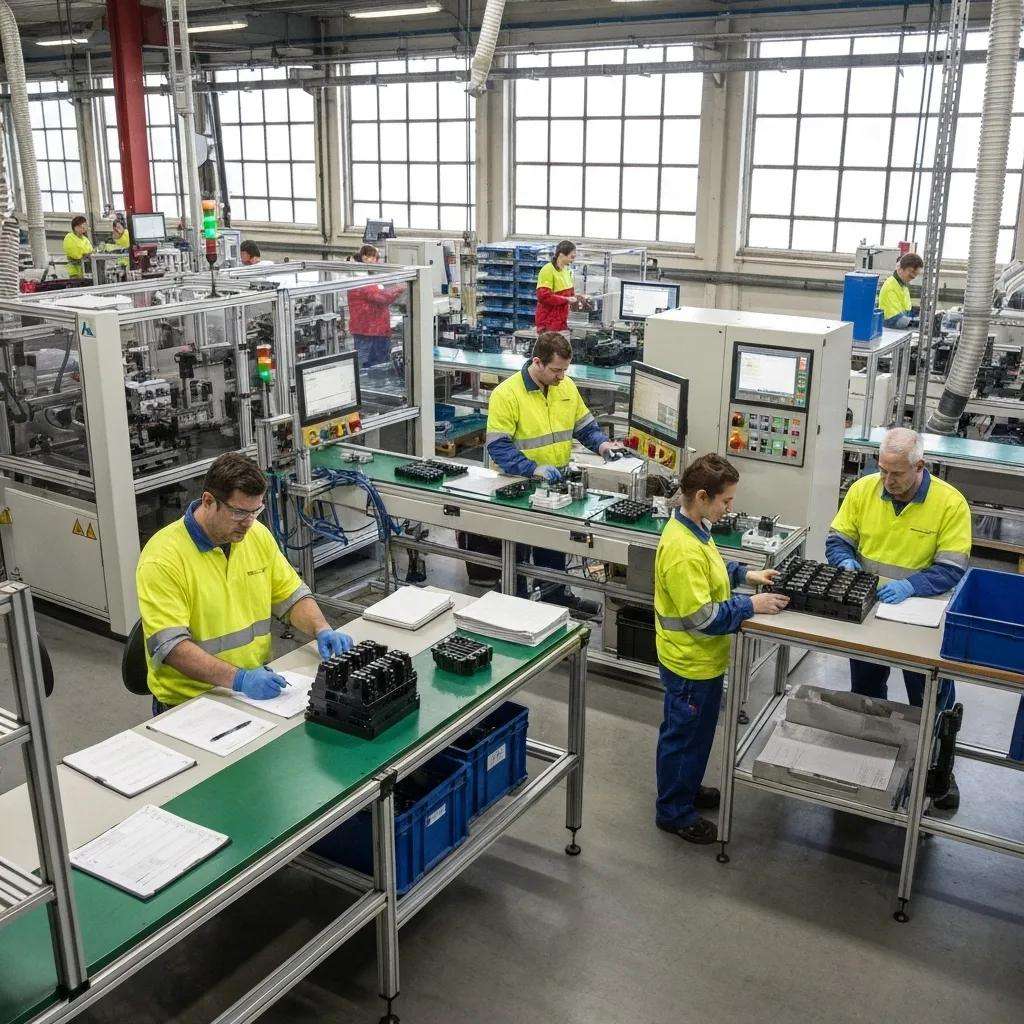
ISO 9001 Certification Cost in the Manufacturing Sector: What Manufacturers Need to Know
Manufacturers often invest between £5,000 and £50,000 to achieve ISO 9001 certification, but actual costs vary widely based on company profile, industry requirements, system maturity, and location. This article explains the key cost drivers, breaks down expenses, outlines the certification process and timeline, offers cost-optimization strategies, and guides on selecting the right consultant and certification body. By understanding these facets, manufacturing leaders can plan budgets effectively, maximize ROI, and secure a credible Quality Management System (QMS).
What Are the Key Factors Affecting ISO 9001 Certification Cost for Manufacturers?

Key certification cost factors include company size and complexity, industry-specific requirements, existing QMS maturity, and geographic location.
Amtivo, How Much Does ISO 9001 Certification Cost? Factors Explained (2025)
Factors Affecting ISO 9001 Certification Cost
The cost of ISO 9001 certification is influenced by several factors, including company size, complexity, and industry-specific requirements. Larger companies with multiple locations and complex structures typically face higher costs due to the need for more extensive audits.
This citation supports the article’s discussion of the key factors that influence the cost of ISO 9001 certification.
- Company size and complexity determine audit duration and consultant involvement.
- Industry-specific elements add documentation and compliance checks for sectors like automotive or medical devices.
- QMS maturity reduces gap-analysis effort and related consulting fees.
- Regional accreditation fees, labor rates, and currency differences drive location-based cost variation.
These variables establish a baseline for investment planning and lead into how company size scales audit fees.
How Does Company Size and Complexity Influence Certification Costs?
Larger manufacturers incur higher audit fees due to extended on-site assessments and multiple locations, increasing total audit days and resource allocation.
| Manufacturer Size | Typical Audit Days | Cost Range (GBP) |
|---|---|---|
| Small ( | 2–3 days | £5,000–£10,000 |
| Medium (50–250) | 4–6 days | £10,000–£25,000 |
| Large (>250) | 7+ days | £25,000–£50,000 |
As workforce count and site complexity grow, audit days multiply and elevate certification expenses, so industry specifics further amplify cost variance.
What Industry-Specific Elements Impact ISO 9001 Costs in Manufacturing?
Certified auditors adjust their rates based on regulatory demands, risk levels, and specialized compliance procedures in each manufacturing sub-sector.
- Automotive requires IATF alignment and supplier chain audits for defect prevention.
- Aerospace includes rigorous product safety checks and process controls.
- Medical devices add validation protocols and traceability documentation.
- Food manufacturing mandates HACCP integration and hygiene assessments.
Tailoring a QMS to these specialized requirements deepens audit scope and cost, linking naturally to the benefits of a mature system.
How Does Existing Quality Management System Maturity Affect Cost?
A mature QMS reduces gap-analysis and documentation efforts, lowering consultancy hours and audit preparation expenses. Organizations with established process controls typically report 20–30 percent lower implementation costs. By minimizing nonconformities, manufacturers streamline audit readiness and shift focus toward continuous improvement, which sets the stage for regional cost considerations.
What Geographic Location Factors Change Certification Expenses?
Regional labor rates, local accreditation body charges, and currency differences cause substantial cost variation across markets.
| Region | Average Cost Range (GBP) | Key Influence |
|---|---|---|
| USA | £10,000–£35,000 | Higher audit day rates |
| UK | £8,000–£30,000 | Competitive accreditation |
| India | £5,000–£15,000 | Lower consultant fees |
Understanding these geographical discrepancies ensures accurate budgeting before examining specific expense components.
What Is the Detailed Breakdown of ISO 9001 Certification Expenses in Manufacturing?
ISO 9001 certification expenses comprise consultant fees, certification body fees, internal resource allocations, and software investments, each carrying distinct budget implications.
How Much Do ISO Consultant Fees Typically Cost for Manufacturers?
Manufacturers typically invest £15,000–£50,000 in ISO 9001 consultancy, structured as hourly rates of £100–£250 or flat project fees based on QMS complexity.
- Hourly consultancy allows targeted support for gap analysis and process mapping.
- Project-based fees cover end-to-end implementation with fixed deliverables.
By selecting the appropriate model, manufacturers balance external expertise with budget constraints.
What Are the Certification Body Fees: Initial, Surveillance, and Recertification Audits?
- Initial audit: £4,000–£10,000 for Stage 1 and Stage 2 assessments
- Annual surveillance audits: £2,000–£5,000 per visit
- Recertification audit: £4,000–£8,000 in Year 3
This phased fee structure supports ongoing compliance verification and informs multi-year budgeting.
What Internal Costs Should Manufacturers Expect?
Internal costs cover employee time for QMS documentation, staff training programs, and internal audit activities that typically range from £2,000 to £10,000 in labor value.
- Documentation development and control processes
- On-site and virtual staff training sessions
- Internal audit planning, execution, and corrective actions
Investing effort in these areas accelerates readiness and influences software selection.
How Do Software and Infrastructure Investments Affect Total Certification Cost?
QMS software licenses and digital document-control tools add £2,000–£15,000 to initial costs but automate document handling, version control, and audit trails. By reducing manual workloads and error rates, these digital platforms lower long-term maintenance expenses and support continual improvement.
What Is the Typical ISO 9001 Certification Process and Timeline for Manufacturing Companies?
The certification journey spans 6–12 months from initial gap analysis through formal audits to ongoing surveillance, structuring each phase for compliance verification and QMS validation.
What Happens During the Preparation Phase: Gap Analysis and QMS Development?
- Conduct baseline assessment of existing policies and procedures.
- Draft or update QMS manuals, procedures, and forms.
- Deliver staff training on ISO 9001 principles.
By closing these gaps, the organization readies for formal audit stages that follow.
How Are the Audit Phases Structured: Stage 1, Stage 2, and Surveillance Audits?
- Stage 1 verifies documentation and site readiness.
- Stage 2 assesses process effectiveness and corrective action.
- Surveillance confirms ongoing compliance each year.
This phased approach ensures systematic evaluation and continual QMS health.
What Is the Recertification Cycle and Ongoing Maintenance Timeline?
Recertification occurs every three years with a full audit, while surveillance audits take place annually to verify continuous compliance. Planning for these cycles informs resource allocation and sustains process improvements over time.
How Can Manufacturers Optimize ISO 9001 Certification Costs and Maximize ROI?

Manufacturers optimize costs and boost ROI by leveraging grants, internal expertise, phased implementation, and digital QMS solutions, creating a balanced investment in quality and efficiency.
What Government Grants and Funding Opportunities Are Available?
Government agencies and industry associations often provide grants or subsidies covering up to 50 percent of certification costs for eligible manufacturing SMEs. Common sources include small business programs, regional development funds, and industry-specific initiatives that reduce financial barriers and accelerate QMS adoption.
How Can Leveraging Internal Expertise Reduce Certification Expenses?
Training internal staff in QMS methodology enables in-house gap analysis and audit preparation, reducing reliance on external consultants and lowering consultancy fees. Building cross-functional teams for continuous improvement spreads expertise and drives efficiency.
What Are the Benefits of Phased Implementation and Process Streamlining?
A phased approach segments QMS deployment into manageable stages, spreading costs and ensuring process optimization before full-scale audits. This incremental path aligns resource planning with business priorities and fosters rapid gains in quality control.
How Does Digitalization of QMS Help Lower Costs?
Digital QMS platforms automate document control, training tracking, and audit scheduling, cutting manual workloads and reducing corrective-action backlogs. Real-time dashboards and analytics promote data-driven improvements and support audit readiness.
How to Choose the Right ISO Consultant and Certification Body for Manufacturing?
Selecting a consultant and certification body with relevant accreditation and industry experience ensures cost-effective guidance and audit credibility, protecting both compliance and reputation.
What Accreditation and Industry Experience Should You Look For in Consultants?
Choose consultants accredited by recognized bodies with proven experience in manufacturing sectors such as automotive or food processing to ensure effective QMS implementation. Evaluate credentials, sector-specific case studies, and professional certifications.
How Do Pricing Models Vary Between Local and International Certification Bodies?
| Body Type | Typical Fee Range (GBP) | Advantage |
|---|---|---|
| Local | £5,000–£20,000 | Cost-effective regional insight |
| International | £10,000–£35,000 | Global brand recognition and scope |
This comparison highlights how fees and benefits differ by accreditation reach and market focus.
Why Is Certification Body Reputation Important for Manufacturing Companies?
A reputable certification body with a track record of industry-specific audits enhances customer confidence and ensures rigorous evaluation. Partnering with a trusted organization supports market access, regulatory acceptance, and long-term QMS credibility.
Manufacturing organizations that view ISO 9001 certification as an investment in quality and efficiency unlock measurable improvements in product consistency, customer satisfaction, and operational resilience. By understanding cost drivers, detailed expense breakdowns, process timelines, and optimization tactics, leaders can plan budgets accurately and maximize return on their certification journey. Engaging accredited consultants and reputable certification bodies tailored to manufacturing ensures cost-effective guidance and credible audit outcomes, setting the foundation for continuous improvement and competitive advantage.
Key Benefits of ISO 9001 for Manufacturing
ISO 9001 certification can lead to enhanced product quality by standardizing and controlling processes, which reduces product issues and the likelihood of costly recalls. The standard also improves efficiency by identifying and addressing inefficiencies in production, leading to waste reduction and better resource utilization.
Frequently Asked Questions
What are the long-term benefits of ISO 9001 certification for manufacturers?
ISO 9001 certification offers numerous long-term benefits for manufacturers, including improved product quality, enhanced customer satisfaction, and increased operational efficiency. By standardizing processes, manufacturers can reduce errors and defects, leading to fewer recalls and higher customer trust. Additionally, a certified QMS fosters a culture of continuous improvement, enabling organizations to adapt to market changes and innovate effectively. Over time, these advantages can translate into cost savings, better market positioning, and increased competitiveness in the manufacturing sector.
How can manufacturers prepare for the ISO 9001 certification audit?
Preparation for the ISO 9001 certification audit involves several key steps. Manufacturers should conduct a thorough gap analysis to identify areas needing improvement, develop or update their QMS documentation, and ensure all staff are trained on ISO 9001 principles. Additionally, performing internal audits can help identify nonconformities and corrective actions before the official audit. Engaging with a consultant for guidance can also streamline the preparation process, ensuring that the organization is fully ready for the certification assessment.
What role does employee training play in achieving ISO 9001 certification?
Employee training is crucial for achieving ISO 9001 certification as it ensures that all staff understand the principles and requirements of the QMS. Training helps employees recognize their roles in maintaining quality standards and fosters a culture of quality throughout the organization. Well-trained employees are more likely to adhere to processes, identify potential issues, and contribute to continuous improvement efforts. Investing in comprehensive training programs can significantly enhance the effectiveness of the QMS and support successful certification outcomes.
What are the common challenges manufacturers face during the certification process?
Manufacturers often encounter several challenges during the ISO 9001 certification process, including resistance to change from employees, lack of understanding of the standard, and insufficient resources for implementation. Additionally, aligning existing processes with ISO requirements can be complex, especially for organizations with outdated systems. Time constraints and budget limitations may also hinder progress. To overcome these challenges, manufacturers should foster a supportive culture, provide adequate training, and allocate resources effectively to ensure a smooth certification journey.
How often do manufacturers need to undergo surveillance audits after certification?
After obtaining ISO 9001 certification, manufacturers are required to undergo surveillance audits at least once a year. These audits are designed to ensure ongoing compliance with the standard and to verify that the QMS remains effective. The frequency of these audits helps organizations maintain their certification status and encourages continuous improvement. Additionally, manufacturers should prepare for these audits by regularly reviewing their processes and addressing any nonconformities that may arise throughout the year.
What is the impact of ISO 9001 certification on customer satisfaction?
ISO 9001 certification positively impacts customer satisfaction by demonstrating a manufacturer’s commitment to quality and continuous improvement. Certified organizations are more likely to deliver consistent, high-quality products that meet customer expectations, leading to increased trust and loyalty. The standard’s focus on process optimization helps reduce defects and improve service delivery, further enhancing the customer experience. As a result, manufacturers with ISO 9001 certification often see higher customer retention rates and positive word-of-mouth referrals, contributing to long-term business success.
Conclusion
Manufacturers that pursue ISO 9001 certification can significantly enhance product quality, operational efficiency, and customer satisfaction. By understanding the cost drivers and optimizing their approach, organizations can maximize their return on investment while ensuring compliance and continuous improvement. Engaging with experienced consultants and reputable certification bodies is essential for navigating the certification process effectively. Start your journey towards ISO 9001 certification today and unlock the benefits of a robust Quality Management System.